Traditional Upholstery Repair Methods: Craft, Care, and Character

Foundations of Traditional Upholstery Repair

01
Examine joints for looseness, wormholes, and old hide glue lines, then note maker’s marks or pencil scrawls under rails. These clues guide respectful, reversible choices. Share a photo of your piece’s underside; our readers love solving provenance puzzles together.
02
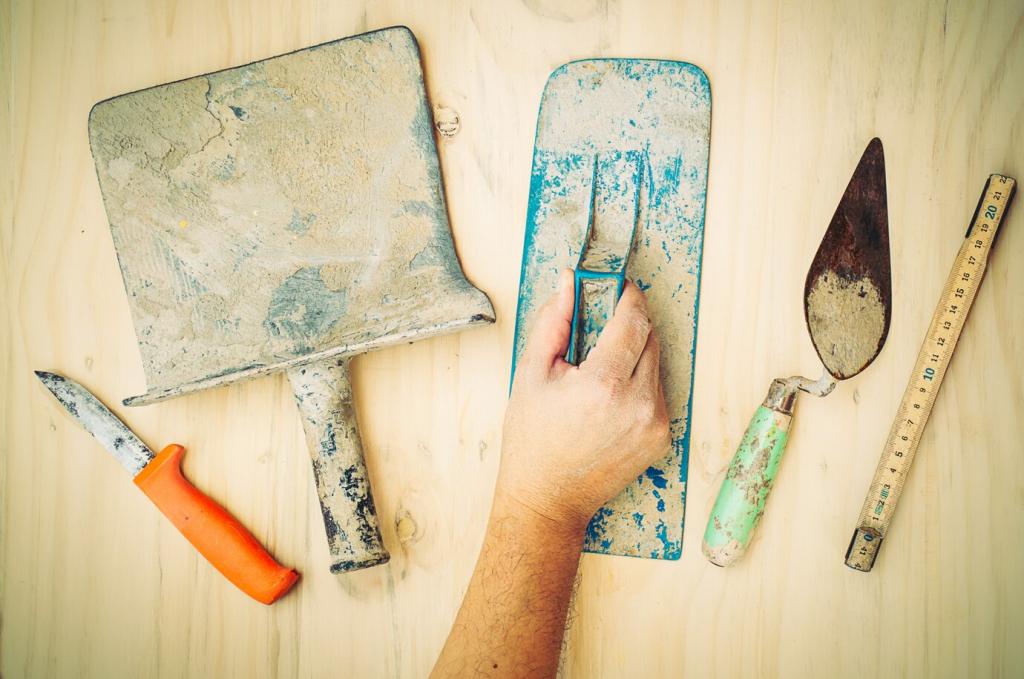
A magnetic tack hammer, webbing stretcher, spring twine, curved needles, and a regulator are essential for traditional techniques. Each tool promotes precision over speed. Have a favorite antique tool? Tell us its story and how it shaped your upholstery journey.
03
Traditional builds favor jute webbing, hessian (burlap), coiled hair, cotton felt, and muslin. These breathable, resilient materials age gracefully and can be refreshed. Comment if you have sourced vintage horsehair; we will crowdsource reputable, ethical suppliers for the community.

Webbing and Springs the Old-Fashioned Way

Stretch jute webbing in a basket or herringbone pattern, anchoring with tacks angled across the fibers. Even tension prevents sag and creak. Post your webbing layout for feedback; careful geometry here will reward you for years.

Building the Seat: Stuffing, Stitching, and Edge Rolls

Lay hessian over the springs and lace it down, then tease horsehair evenly for resilient loft. Keep edges firm and centers plush. Share a clip of your teasing technique; consistent density is the secret behind that springy, breathable seat feel.

Building the Seat: Stuffing, Stitching, and Edge Rolls

Hand stitching compresses stuffing into predictable contours. Bridle stitches lock mass, blind stitches refine planes, and top stitches carve definition. If stitching feels mysterious, ask questions in the comments; we will walk through needle angles and tension together.
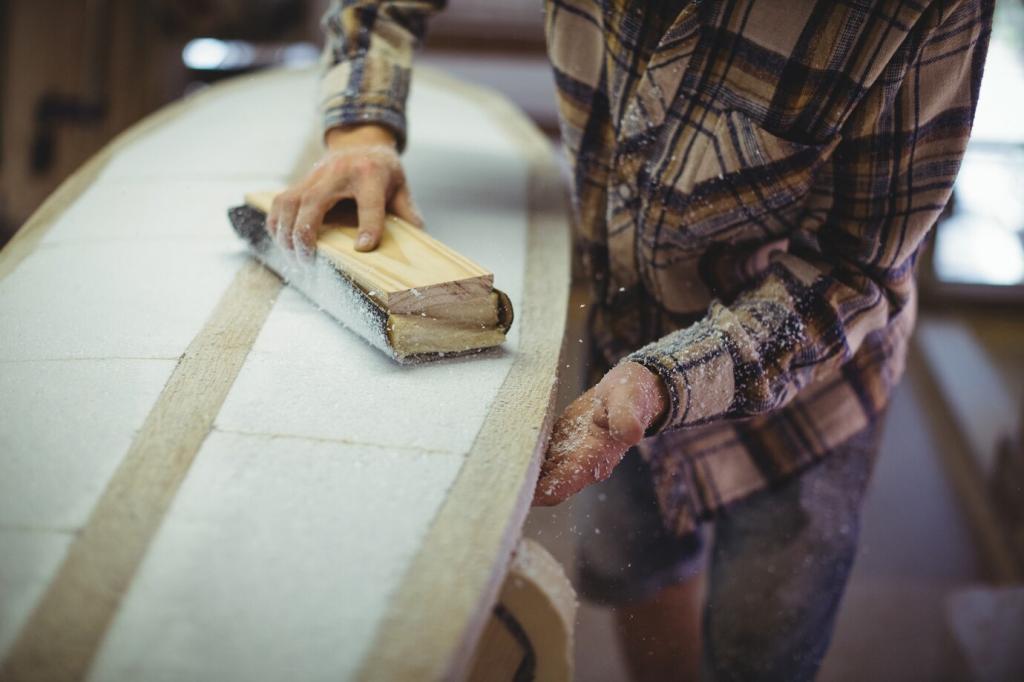
Back panels benefit from balanced layers: burlap for containment, hair for resilience, cotton for smoothing, then muslin for test fitting. Share your dry-fit muslin markings; pattern adjustments are easier here than after the final fabric is cut.
Map a grid, pre-pierce channels, and draw buttons with doubled twine and a long needle. Pack hair strategically to avoid hollows and ensure even dimples. Post your first successful tuft; our community celebrates those satisfying, symmetrical diamonds.
Roll hair along arm rails, secure with hessian, and refine with blind stitches before applying muslin. Respect original scrolls and knuckles. If your arm pads feel bulky, comment with a photo; subtle reductions clarify shape without sacrificing comfort.

Covering, Pattern Matching, and Trims

Balance center motifs, align stripes over the crown, and mirror arms for visual calm. Mark grain lines on muslin, then transfer precisely. Share your layout diagrams; collective eyes can catch a drifting motif before the first tack is set.

Covering, Pattern Matching, and Trims

Finish closings invisibly with fine stitches that respect tension. Work slowly, bury knots, and test sit to confirm give. Ask for feedback on your stitch spacing; minor adjustments can transform puckers into immaculate, museum-worthy seams.

Covering, Pattern Matching, and Trims

Hide raw edges with gimp or tape, set decorative tacks rhythmically, and close the underside with breathable cambric. Traditional trims protect while adding period character. Post your trim choices; we love discussing whether a piece begs for restraint or flourish.
When to Repair vs. Restore
Stabilize rather than replace when possible, especially with intact hair or original rails. Document departures clearly. Share dilemmas you face—our readers weigh longevity, heritage, and daily use to find balanced paths that respect the piece’s narrative.
Documenting History Under the Dust Cover
Slip a note beneath the cambric listing materials, dates, and your name. Future repairers will thank you. Post your documentation template; together we can standardize records that keep each chair’s biography alive for the next century.
Caring for Traditional Materials Over Time
Vacuum gently with a brush, avoid plastic wraps, and rotate cushions so hair settles evenly. Solvent caution protects natural fibers and old finishes. Subscribe for seasonal maintenance reminders and share any conservation wins you have seen across generations.
Bonsaidukkani
Privacy Overview

This website uses cookies so that we can provide you with the best user experience possible. Cookie information is stored in your browser and performs functions such as recognising you when you return to our website and helping our team to understand which sections of the website you find most interesting and useful.